
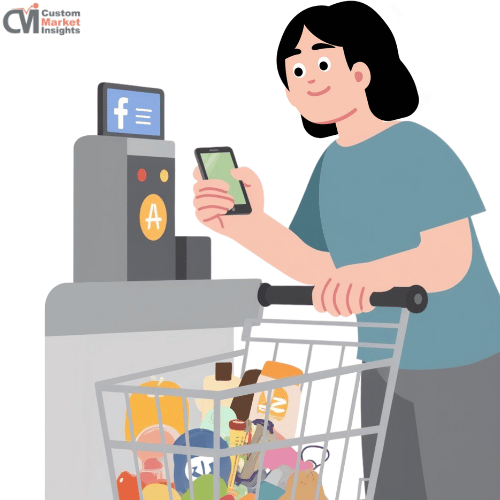
In the digital economy of today, the consumer products business is at a crossroads where new ideas and evolving customer requirements meet. AI has gone from being a concept for the future to a useful, cutting-edge technology that companies and manufacturers use to remain ahead of their competitors. AI is altering the way firms that sell consumer products do business, talk to consumers, and grow via predictive analytics and highly focused marketing.
Why the Consumer Goods Industry Needs AI
People’s expectations are changing quite fast. Customers now demand more than just wonderful items. They also want customized attention, fast service, and alternatives that are healthy for the environment. This implies that firms that make consumer products need to keep an eye on lengthy and sophisticated supply chains, analyze a lot of customer data, and be ready for markets that are hard to predict.
With this in mind, AI becomes a strong force for change. AI helps organizations that make consumer products add value at every stage, from making the product to selling it. It achieves this by taking care of dull activities, offering firms information about the future, and helping individuals make good choices.
AI-Powered Personalization: Getting People to Use Their Environment
AI has a huge impact on the consumer products sector via hyper-personalization. AI systems can provide individualized suggestions for each person by looking at how they use their browsers, what they purchase, and how they talk to other people on social media.
Companies like Unilever and Procter & Gamble are using AI-generated data to make commercials that are more relevant, pricing plans that are more flexible, and more personalized discounts. For instance, AI can predict when a family will run out of detergent and suggest bargains that are useful. This degree of customisation not only increases sales but also promotes long-term customer loyalty.
Using AI to Improve Supply Chains
Since the outbreak, supply chain problems have been occurring more and more. AI helps companies solve these difficulties by making demand projections more accurate, keeping track of stocks in real time, and finding the best routes. AI-powered supply chain systems can see when demand will go up, modify how they acquire items, and automatically refill so they don’t run out of stock. Because of this, companies may cut their prices and make their goods easier to find, which is excellent for both businesses and consumers.
AI is transforming how things are created in the consumer goods business. A long time ago, it required a lot of time and money to come up with a new product since it needed a lot of testing and market research. AI helps firms rapidly understand how consumers feel, uncover holes in the market, and guess how well their goods will function.
CMI Analysis says that businesses that utilize AI to develop and make things get their items to market quicker and have a better success percentage with new launches. By employing AI in their research and development, businesses can swiftly respond to changing customer needs and remain relevant.
How well does CMI analysis work with AI-enhanced insights?
CMI Analysis is a useful tool that employs AI and sophisticated analytics to learn about market trends, keep an eye on rivals, and uncover new business opportunities. AI-driven CMI Analysis might provide the consumer goods sector with virtually real-time information on how customers are reacting, what trends are emerging, and what rivals are doing.
A Future of Responsibility with AI and Sustainability:
People worry a lot about being able to keep things going. People want companies to use products that are healthy for the environment, cut down on waste, and keep their supply chains open. AI is a big part of getting these aims done.
AI can improve industrial processes so that they utilize fewer resources, predict demand to minimize overproduction, and assist recycling or reuse operations to continue. CMI Analysis helps companies keep track of the environmental impact of all of their activities and supply chains. This makes sure they comply with the regulations and exceed customer expectations.
Improving customer service using AI
AI is quite useful in customer service. AI-powered chatbots and virtual assistants can handle simple customer queries 24/7, speed up problem-solving, and let human agents focus on more difficult jobs. AI makes it easier to stay engaged after a purchase by suggesting related products, giving reminders for servicing, and getting feedback to make things better all the time. This makes consumers happy and helps the brand seem better.
Things that get in the way and the way ahead, AI has the potential to be disruptive, but employing it in the consumer products business is not without its issues. Bringing together old systems, protecting data, and narrowing the gap in AI capabilities are all major issues. Companies may still get the most out of AI if they have a clear plan, competent executives, and the correct connections.
Companies that put money into AI and train their workers early on are more likely to see a demonstrable return on investment and do well in the market, according to CMI Analysis.
Last Check:
The consumer products business needs AI to be competitive. Companies may use AI technology and CMI Analysis to help people understand their products better, make their operations more efficient, speed up innovation, and encourage long-term success.
Companies that know how to use AI efficiently will not only keep up with developments in the market, but they will also lead them. enterprises that manufacture things for people need to change their strategies and use AI to provide their consumers and their own enterprises a lot of value.
Connect with our Experts