
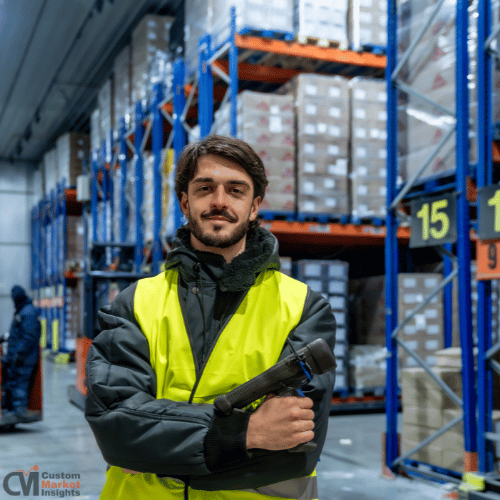
The Rise of Cold Chain Packaging and Why It Matters
Cold chain packaging is a particularly essential part of the current global supply chain since it helps keep medications, fresh produce, dairy goods, meat, and seafood at the right temperature throughout the distribution process. Companies are under a lot of pressure to keep their products within particular temperature ranges when they are being kept and shipped. This is because customers want fresh products, and the rules for product safety are becoming stricter. This is where artificial intelligence (AI) is changing the game in cold chain packaging. It is making a system that has always been manual and risky more accurate, visible, and long-lasting.
The Market Is Becoming Bigger, And So Are People’s Expectations:
By 2030, the global market for cold chain packaging is expected to be worth $85 billion. The rise will be fueled by more pharmaceutical exports, online grocery delivery services, and international food trade. CMI’s trend insights reveal that interest in “AI-enabled cold packaging,” “smart temperature tracking,” and “AI logistics for perishables” has grown by more than 70% year over year. Customers now desire more than just fast delivery; they also want their items to be safe, fresh, and of good quality. Brands that can’t deliver risk having their goods go bad, losing money, and permanently damaging their consumers’ trust.
Intelligent Cold Packing Is Based on Temperature Monitoring Devices That Use Artificial Intelligence:
The main part of AI in cold chain packaging is keeping an eye on the temperature in real time. Artificial intelligence algorithms look at the data that Internet of Things sensors in shipping containers or packaging acquire. These sensors keep an eye on things like temperature, humidity, light exposure, and vibrations all the time. The data is evaluated in real time, which means that problems can be found, warnings can be sent out, and fixes can be started without the need for a person to be involved. Companies like Carrier, Sensitech, and Emerson are using artificial intelligence to make smart cold packaging solutions that ensure compliance and prevent temperatures from going too high or too low.
Predictive Analytics Are Being Utilized to Find the Best Paths and Deal with Dangers:
One of the best things that artificial intelligence can do for cold chain packaging is predictive analytics. Artificial intelligence can foresee prospective problems before they happen by looking at prior shipping data, weather forecasts, and delivery timetables. If a given route has a history of delays or extreme heat, for example, artificial intelligence may recommend different routes or change the insulation ahead of time. Cold chain logistics companies like Thermo King and Tive employ AI-based risk assessment to decide which deliveries to make first, how to reroute vehicles, and how to best pack materials based on the kind of cargo and the situation outside.
The Logistics of Pharmaceuticals and Vaccines: High Stakes but Very Accurate:
Controlling the temperature in pharmaceutical cold chains isn’t only about quality, especially when it comes to making vaccines, insulin, and biologics. What matters is how well technology can save lives. During the COVID-19 pandemic, cold packaging with artificial intelligence helped producers and governments keep an eye on the temperature of vaccinations as they moved through international supply chains. Companies like Pfizer, Moderna, and GlaxoSmithKline have started using packaging systems with smart trackers and artificial intelligence to keep an eye on things in real time. The World Health Organization (WHO) and the Food and Drug Administration (FDA) set temperature rules, and artificial intelligence helps make sure that these rules are followed.
AI Makes It Feasible To Make Food And Shopping Deliveries Fresher:
Online grocery stores and food delivery services are starting to use cold chain packaging more and more, especially for fresh fruit, dairy goods, frozen dinners, and ready-to-eat meals. Artificial intelligence helps these businesses flourish by automating the process of choosing how to pack items based on the order’s location, length, and kind of goods. For example, to keep the temperature from rising, AI may decide whether to use gel packs or dry ice, how much insulation the box needs, or the optimal route for the courier. Companies like HelloFresh, Swiggy Instamart, and Walmart Grocery are putting money into these sorts of AI-powered cold packaging methods to make sure that their items stay fresh from the warehouse to the customer’s door.
The usage of Intelligent Labels and Condition Monitoring Stickers:
Thermochromic labels, RFID tags, and condition monitoring stickers based on QR codes are some more smart packaging features that are becoming better thanks to AI. When you read these labels, they tell you right away whether a product has broken any temperature rules. AI then looks at the data and gives the product a color to show whether it is safe (green) or destroyed (red). With the help of these signs, distributors, retailers, and even end-users may make quick and smart decisions. Zebra Technologies and TempTime are two firms that are leading the way in the development of intelligent labeling solutions.
Reducing Waste and Its Effects on the Environment:
One of the less talked about but very important benefits of using artificial intelligence in cold chain packaging is that it helps the environment. AI helps cut down on food waste and needless transportation by stopping things from decaying and making the most of commodities. It also lets you organize your loads intelligently, which makes sure that cold packing materials like coolant packs, insulating materials, and liners are only utilized when they are needed. Several companies, such as Nestlé, Danone, and AstraZeneca, are now using artificial intelligence to find a balance between keeping things fresh and having less of an impact on the environment. This helps them reach their environmental, social, and governance (ESG) goals.
Getting Ready for Audits, Following the Rules, and Keeping Records:
There are strict rules for the cold chain packaging business, especially in the food and drug industries. Artificial intelligence-driven technologies make it easier for quality assurance workers by automatically creating digital audit trails, including temperature records, handling data, and condition reports. These records not only help make sure that products meet international standards like HACCP, WHO GDP, and FDA CFR 21, but they also make it easier to figure out what caused a product recall or safety inquiry. Artificial intelligence makes sure that all cargo can be tracked, checked, and maybe guarded.
There will be Both Problems and Chances in the Future:
Putting AI into cold chain packaging offers a lot of promise, but it also comes with certain problems. There are a variety of things that might make it hard for people to use sensors, such as their high cost, poor connectivity on distant logistical routes, and the requirement for teams to work together. As cloud-based AI platforms, edge computing, and 5G networks become more common, these problems are quickly becoming less important. At the same time, companies like FreshSurety, Roambee, and Blulog are making advanced AI cold chain solutions available to small and medium-sized businesses, making it easier for everyone to use.
Final thoughts: Cold Chain Packaging Will Rely on Artificial Intelligence in the Future:
Artificial intelligence is changing cold chain packaging from a reactive process to a proactive, smart system that encourages freshness, safety, and sustainability. AI lets people make better decisions about everything, from making medicines to getting them to the customer’s door. The trending data from CMI shows that this change is not only technical; it is also for strategic reasons. In a world where every degree matters, using artificial intelligence makes sure that what is packed fresh stays fresh. Companies that rely on cold logistics need to invest in packaging that is powered by AI right now, or they risk being left out in the cold.
Connect with our Experts