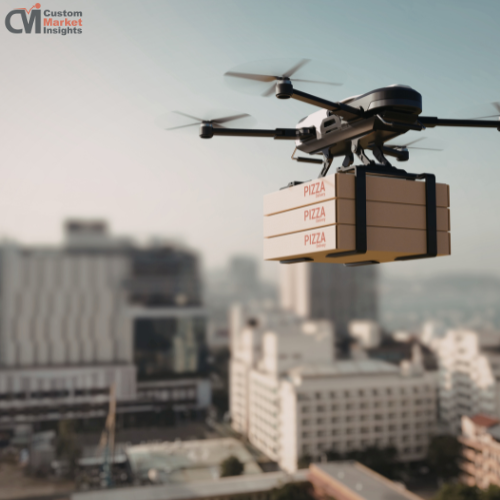
In the age of the internet, when buying is just a click away, packaging has shifted from being simply a protective shell to a strategic weapon. During the last ten years, e-commerce has been growing faster than any other industry on the planet. AI is helping to reshape the appearance and functionality of e-commerce packaging into a form that is smarter, more efficient, and better for the environment.
Artificial intelligence is fueling buy online-pick up in-store. A quiet shake-up in how e-commerce outfits package their products is being guided by artificial intelligence. This revolution is occurring in multiple dimensions, such as making container sizes more optimal, predicting what people will do, and minimizing environmental impact. And this is not just a better technology; it’s a total shift in the way internet shops wrap their merchandise.
There’s A Growing Demand for Packaging That Relies on Artificial Intelligence, Which Could Help Grow the Market:
But as global e-commerce retail sales are projected to soar to more than $8.5 trillion by 2027, smart, efficient packaging is more important than ever before. There are now 73% more instances of content online about “AI in e-commerce packaging” this year compared to last year, according to new research from CMI. On many platforms, terms such as “holding smart packaging for online orders,” “AI for sustainable e-commerce,” and “AI logistics packaging solutions” are generating increasing levels of traction. Today, customers say they want not just faster delivery times but also environmentally friendly packaging that can be personalized and is easy to throw away or recycle. Brands that are unable to live up to these expectations could stand to lose customers and market share.
Machine-Driven Packaging Efficiency: Reducing Costs and Waste
There is one great application of AI in this industry, and that’s to have automated packing work better. By scanning through reams of order data, you can use AI algorithms to identify the tiniest, most economical package for any given thing or set of things. This reduces the need for filler materials, cutting transportation costs and boosting environmental benefits. This is where Amazon really kicks ass. The company employs AI-driven algorithms to recommend to users the best box sizes for products according to their shape and fragility. In the process, the company has reduced the tremendous amount of trash that packaging creates by a lot while also speeding up delivery and making it more economical.
Dynamic personalization is another game-changing new concept powered by artificial intelligence. Now, brands are turning to artificial intelligence to personalize packaging for repeat customers or to mark a special occasion. This is to say that the act of opening the package is more memorable. D2C, subscription box services, and really firms like that could take advantage of this.” AI platforms are being offered by companies like Zazzle, Vistaprint and Packhelp. These technologies allow online stores to create custom packaging based on factors like what customers like, what they have bought in the past, and even what they’ve said on social media. Research has shown that personalized packaging can be effective in retaining customers and encouraging them to create their own content, thereby providing firms with free advertising when it is used.
Utilizing AI to Enable Fulfillment Centers to Operate Autonomously
Artificial intelligence is revolutionizing how warehouses are automated and how packing lines are controlled, and it is even making customers happier. Robots and artificial-intelligence vision systems ensure that any task of picking, packing, and labeling is done appropriately, which reduces errors and makes work faster. Start-ups such as RightHand Robotics and Kindred Systems (which Ocado acquired) are deploying smart robots in fulfillment centers. The robots’ primary function is to enhance packing and reduce the dependence on manual labor, a critical factor when volume is high.
Using AI to Create Eco-Friendly Packaging
Sustainability is a major factor in e-commerce packaging, and here AI can really shine. AI platforms can identify more environmentally friendly packaging by examining how much material is used, how often it is returned, and how far it has to travel to get there. All this is achieved without compromising the safety levels or the brand’s appeal. Two companies, Loop Industries and LivingPackets, are developing reusable packaging that uses artificial intelligence and Internet of Things sensors to reduce single-use plastics. IKEA is using AI to analyze return data and optimize product packaging so the products can travel long distances without breaking and so that waste is minimized.
Smart Tracking and Logistics That Can Predict What’s Coming
Real-time tracking and predictive analytics are only possible with artificial intelligence. This is helping to expedite deliveries and eliminate packing mistakes. You can slap smart labels, RFID tags, or QR codes on packages so data can flow back to AI systems. This allows online stores the ability to anticipate delays, modify shipping routes, and inform customers. FedEx and UPS rely heavily on artificial intelligence to help them track packages and determine the most efficient way to get them delivered. That heightened visibility across the supply chain reduces the likelihood of loss, theft, and damage, all of which can lead to less happy customers when they’re making purchases on the internet.
Analyzing Social Trends Through AI Vision Tools
AI aids brands in marketing by analyzing trends in text and images on social media. Computer vision tools peek at how well the packaging performs in things like user-generated content, such as videos, reviews, and pictures, to suggest changes that the packaging could make to its design or branding. This feedback loop enables companies to respond fast and to produce packaging that speaks to customers on an emotional as well as visual level. Companies like Apple and Glossier have understood for decades that packaging matters, that it should do something to people when they touch it and feel it. As artificial intelligence becomes more powerful, even small companies can now compete with larger ones.
Using Generative AI to Aid in Rapid Packaging Design
While we at prototypes for packaging look at how useful generative artificial intelligence is. AI design tools can produce many alternative designs for packaging layouts, color palettes, and typography in a few minutes. This greatly reduces the amount of time it takes to go through the creative cycle. This is a really nice position for e-commerce companies that need to move to market fast but still want a package that has an attractive design. With tools like Adobe’s Firefly and Canva’s AI capabilities, companies can try, iterate, and finish packaging designs with minimal human assistance. This saves companies time and money.
Leaders in the Field Establishing the Industry Standard Industry leaders are leading the way to the future by betting a lot of money on a package that uses artificial intelligence to enhance its performance. DS Smith, a top producer of sustainable packaging, is tapping AI to analyze data on how online shopping is faring and to devise packaging that protects products and builds branding. Smurfit Kappa, a major rival, has incorporated artificial intelligence into its design studios to help create robust, purpose-built e-commerce packaging that is easier on CO₂ while holding its own in transit. Mondi Group, a company known for its paper-based products, has implemented an artificial intelligence system to make packaging more recyclable while maintaining its utility and aesthetics.
Solving for the Problems That Need Solving in AI
There remain undoubtedly problems. To be successful with AI in packaging operations, you generally need to invest a lot, hire qualified people, and already have a good base of infrastructure to work from. It might be difficult for smaller e-commerce companies to get in. Nonetheless, the advent of software as a service (SaaS) AI tools and packaging-as-a-service vendors is making these technologies more accessible. The intermediate companies will be able to bridge the gap in their capabilities through cooperation with technology vendors, third-party logistics firms, and artificial intelligence enterprises.
Packaging is the First Thing Customers See When They Come into Physical Contact with A Brand
From a consumer’s perspective, that package they receive is essentially their first real experience with a brand. This guy doesn’t just keep things in check; he’s also a covert messenger. Artificial intelligence ensures this ambassador speaks clearly, helpfully, and responsibly. Artificial intelligence is behind the tightest package sizes that eliminate excess material, cartons with custom thank-you cards, and containers that can be repurposed and sealed with a click.
Conclusion: A Proof Packaging Strategy Made Possible by AI
Given all the facts, it’s clear that artificial intelligence is redefining e-commerce packaging by making it smarter, more affordable, and increasingly sustainable. Data, analytics, and an ever-growing requirement for effectiveness and personalization are combining to make that transition happen right now. Amazon, Smurfit Kappa, DS Smith, and FedEx are among the companies that have demonstrated how technology and packaging can combine. CMI’s trend survey says a whole lot more of us are currently focusing on AI-powered e-commerce packaging. That, in turn, means that this isn’t one of those everything-old-is-new-again trends; it’s a really big deal.
Connect with our Experts