
Why Packaging Is No Longer Just a Wrapper
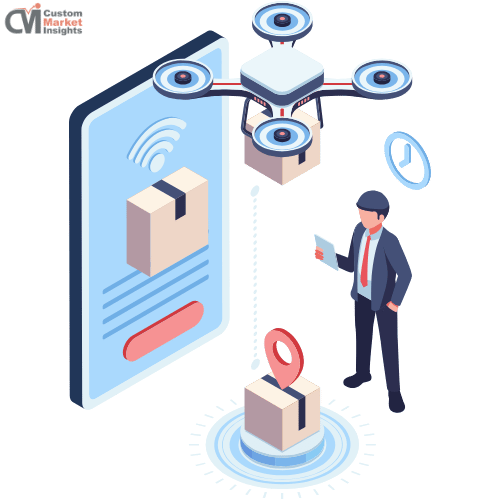
Packaging for consumer packaged goods (CPG) is no longer just a basic box. Smart technology, including artificial intelligence (AI), is turning it into a smart and engaging tool. Smart packaging, which uses artificial intelligence (AI), sensors, and data analytics, is becoming more and more vital for marketers who want to get people’s attention. Artificial intelligence is behind smart packaging that helps companies connect their digital and physical worlds. This is done by making things last longer, making it possible to track them, and giving customers immersive experiences.
The Trend Toward Smart Packaging Is Becoming Increasingly Common In The Consumer Packaged Products Business:
By 2030, the worldwide smart packaging market is expected to be worth $43 billion, with a large part of this market coming from the consumer packaged goods (CPG) sector. A recent poll by CMI found that interest in “AI-enabled smart packaging,” “connected packaging,” and “interactive packaging for consumer packaged goods” had grown by 64% in the last year. This shows that both consumers and companies are becoming increasingly interested in packaging that does more than just serve a purpose; it also includes experience, information, and value. Companies that make consumer packaged goods (CPG) are starting to realize that packaging is not only something they think about later; it’s a key way to engage with customers.
Making Smart Product Packaging Using AI and Sensors:
Smart packaging includes things like QR codes, RFID tags, NFC chips, temperature sensors, and AI-based analytics that all work together. Artificial intelligence is very important for making sense of sensor data and turning it into useful information. For instance, a drink container may now keep track of its temperature and freshness in real time. If it has been kept incorrectly because of this, it can also let customers know via their mobile devices. AI-powered sensors can keep an eye on how rotten food is becoming while it’s still in its packaging. This might help cut down on waste and build trust. Thinfilm Electronics and Avery Dennison are already creating these kinds of solutions for big consumer packaged goods companies using sensors.
Linking Consumers’ Experiences To Get Them More Involved:
People who are really tech-savvy these days want more than just a product; they want stuff they can use. Smart packaging makes this possible by letting people interact with it on their phones and tablets using artificial intelligence. You may get a lot of information by scanning a QR code. This can include product instructions, advice on how to be more environmentally friendly, loyalty points, and even augmented reality games. By looking at how people respond, what they buy, and what they like, AI can make interactions more personal. Heinz, PepsiCo, and Diageo are just a few of the firms that have used linked packaging in their advertising to tell stories, provide recipes, or show where their products come from. The goal of all of these things is to make the connection between the brand and the customer better.
Finding Ways to Stop Counterfeiting and Getting Real-Time Supply Chain Information:
When it comes to consumer packaged goods (CPG), being able to keep an eye on things and make sure they are real is quite important. Smart packaging that uses artificial intelligence lets firms keep an eye on their goods in real time all the way through the supply chain, from when they are made to when they are sold. Cloud-based systems get information from RFID and NFC sensors. AI looks at the present condition of delivery, the weather, and any possible dangers. This not only makes logistics better, but it also helps find fake goods, which is a problem that is becoming worse in the fast-moving consumer goods business all over the world. Unilever and Nestlé want to keep things open, follow the rules, and keep customers’ trust. They are investing in smart packaging that uses blockchain and AI to do this.
Holding on for a Long Time, Benefits of Smart Packaging Using AI:
One of the main reasons people choose smart packaging is that they want to have less of an effect on the environment. Businesses may use artificial intelligence to choose the best packaging materials, cut down on the amount of garbage they produce, and make it clearer how recyclable their products are. Smart labels may tell customers whether a product can be recycled or broken down, and they may also tell them the right way to throw it away. AI could also be able to help create models for circular economies by keeping track of when packages are returned or replenished. Loop, Colgate-Palmolive, and Procter & Gamble are some of the corporations that are leading the way in this groundbreaking change. They are using artificial intelligence to make packaging that is better for the environment but yet works well and keeps customers’ interest.
At the Package Level, Individualized Marketing Strategies:
Smart packaging powered by AI is creating new ways to sell products, making it possible for campaigns to be very tailored. Artificial intelligence gathers useful interaction data whenever a user interacts with related packaging. This includes how often the product is scanned, when it is used, and what kinds of material are accessible. Businesses may utilize this information to send out real-time deals, personalized messages, or reminders to customers to come back and buy something else. For instance, a skincare company may send you a message when it’s time to buy additional goods or suggest a product that goes well with the one you already have. L’Oréal has tried this kind of packaging on a number of different cosmetics in the past to boost sales and keep customers coming back.
AI Data Analysis Research and Development, As Well As New Ideas, in the Area of Fuel Products:
Smart packaging that uses artificial intelligence is not just good for marketing; it also gives you a lot of information about your customers. Every time someone interacts with the brand, the product development and research and development teams have additional information to work with. A computer program looks at how people use things, how they store them, how they provide feedback, and how frequently they are scanned to figure out what is and isn’t working. For example, if market research shows that a juice carton is most typically drunk in the morning and runs out in two days, companies can decide to make a smaller or bigger size, add new flavors, or change the way they price their products. Johnson & Johnson and Reckitt, two pharmaceutical corporations, are already using information about packaging to help them come up with new products.
Problems in Making Smart Packaging Solutions Sized Up:
Smart packaging has a lot of good things about it, but it also has some bad things about it. Cost is still a big problem for even tiny consumer packaged products firms. Adding AI and sensor technology to packaging makes each unit more expensive, but economies of scale and modular sensor systems are helping to bring this cost down. There are also worries about getting people’s permission to use their data and keeping it private, especially in places like the European Union (EU), where the rules for data protection are quite strict. Marketers have a duty to make sure that their data policies are clear, safe, and moral when they create experiences that contain connected packaging.
New businesses and tech partners Helping to Make Smart Packaging Better:
Packaging technology companies have been able to work with big consumer goods companies because of the rise in demand. Water.io, Scantrust, Zebra Technologies, and Identiv are just a few of the companies working on smart packaging solutions that work with AI dashboards. Businesses can keep an eye on how well they are doing, plan campaigns, and manage client connections without having to build the technology from scratch, thanks to these platforms. The final result is that firms in the center of the consumer packaged goods market may join the smart packaging ecosystem more easily, and innovations can be used more quickly and on a larger scale.
In The End, We Need To Change How We Think About Packaging as a Brand Asset:
The combination of smart packaging and artificial intelligence is changing the way marketers talk to customers on a basic level. Packaging is no longer only static or disposable; it has become something that changes, is full of information, and is based on experience. This action gives you a big advantage over other firms in the consumer-packaged goods (CPG) market, which is a field where it’s important to stand out from the crowd. Thanks to the content insights from CMI, this industry is growing quickly, and businesses who want to remain ahead of the curve are taking note. Using artificial intelligence in smart packaging gives you a unique chance to add value to your consumers’ experiences at every step, from before they buy to after they buy. Companies that are open to the idea that packaging is a living thing have a bright future ahead of them.
Connect with our Experts