Not very long ago, wearable devices were mostly seen as fitness gadgets! People bought smartwatches to count steps, track calories, or glance at phone notifications during meetings. Health tracking existed, but for many users, it felt more like an extra feature than the main reason to wear the device. That thinking has changed.
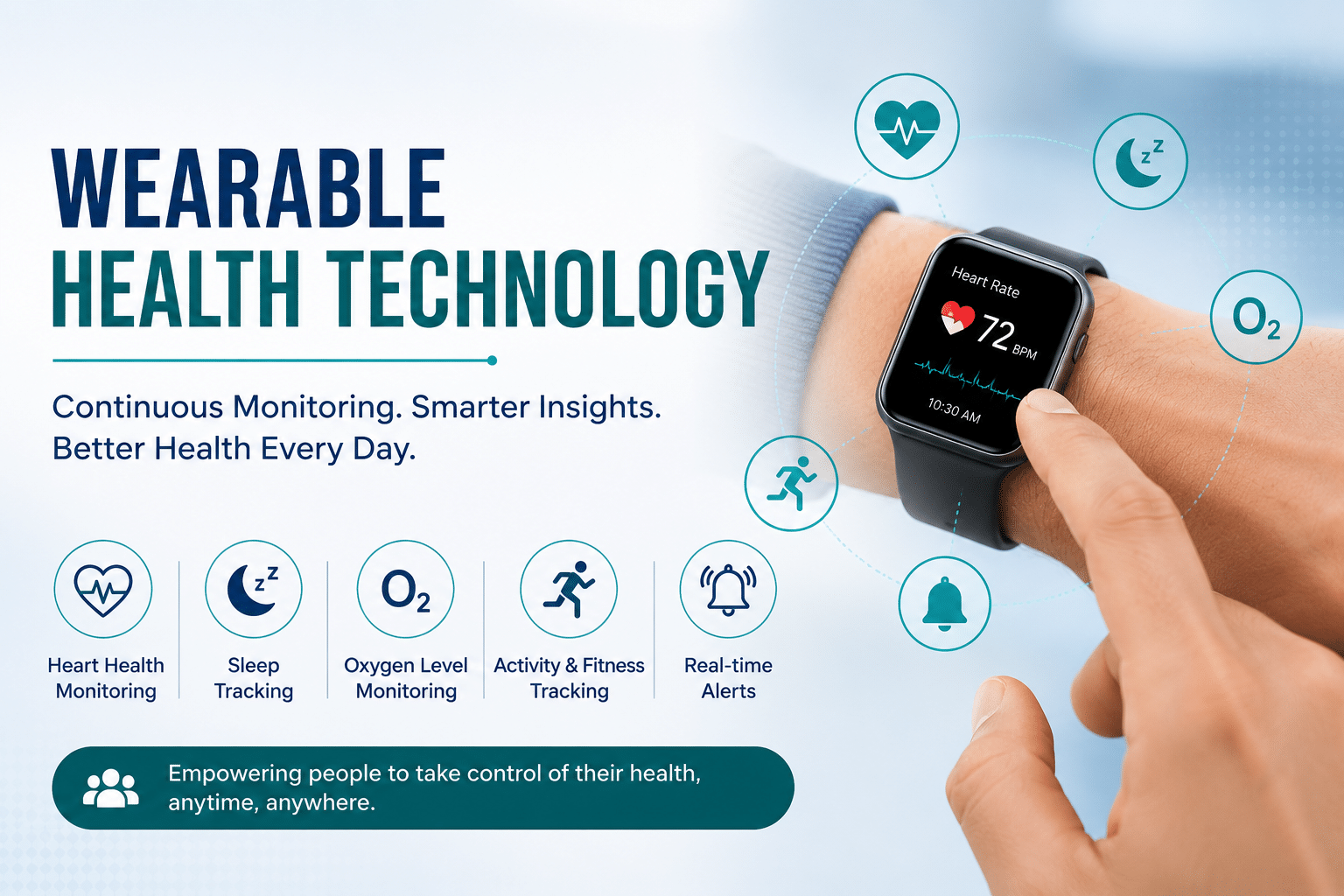
Today, many people wear these devices because they want a better understanding of what is happening inside their body throughout the day. Heart-rate alerts, ECG readings, oxygen monitoring, sleep scores, stress tracking, and irregular rhythm notifications have slowly become part of normal daily life for millions of users.
What stands out most is how naturally these devices have entered healthcare conversations:
Doctors now meet patients who arrive with months of recorded health data already stored on their phones. Families use fall-detection alerts to keep an eye on elderly parents living alone. People recovering from illness often monitor sleep quality, oxygen saturation, or resting heart rate much more closely than they would have a few years ago.
In many ways, people have become more connected to their own health patterns than ever before. Several clinicians say the real shift is not only the technology itself. It is the behavior that comes with it. Patients are paying attention earlier.
Instead of waiting until symptoms become severe enough to justify a hospital visit, many users notice smaller changes because their devices continuously monitor trends in the background.
One physician explained it simply:
“Most people ignore minor symptoms for days. They are less likely to ignore repeated alerts appearing on their watch.” That constant visibility is one reason wearable monitoring continues gaining momentum across healthcare systems.
Modern devices now track much more than physical activity. Many smartwatches and fitness trackers monitor heart rhythm irregularities, respiratory trends, stress levels, body temperature changes, sleep disruptions, and blood oxygen levels throughout the day. Some can even produce ECG readings within seconds.
The pandemic also changed public awareness around home-based monitoring:
During COVID-19, many people started checking oxygen levels regularly for the first time. What once seemed like hospital equipment suddenly became part of everyday conversations. That period accelerated consumer interest in wearable health technology significantly. Behind these devices is a level of technology most users rarely think about.
Advanced optical sensors, AI-supported algorithms, accelerometers, and bioimpedance systems work together constantly in the background. Instead of relying only on general population averages, many devices are now designed to learn what is normal for an individual user over time. That matters because no two health patterns look exactly alike.
Healthcare advisory and strategy firms, including CMI Consulting LLC, have also observed growing interest from healthcare providers exploring how wearable technology may support preventive care, patient engagement, and remote monitoring initiatives.
Much of the discussion is happening around chronic disease management.
Patients managing cardiac conditions, diabetes, sleep disorders, or post-surgical recovery are increasingly being monitored remotely through connected devices. Some hospitals and healthcare systems have already started incorporating wearable data into broader remote patient monitoring programs. Over time, that may reshape how healthcare operates.
Instead of depending entirely on occasional clinic appointments, providers may gradually move toward continuous trend monitoring, allowing them to identify warning signs earlier and respond before conditions worsen. At the same time, most physicians caution against relying too heavily on consumer wearables alone.
These devices can provide useful signals, but they are not replacements for proper medical evaluation. False alarms happen. Certain readings still lack clinical-grade precision. Not every feature available on a smartwatch has received medical certification or regulatory clearance.
Doctors continue emphasizing the importance of context.
An alert can help begin an important conversation, but diagnosis still depends on clinical expertise, testing, and patient history. Privacy concerns also continue to grow alongside adoption.
Continuous monitoring means continuous data collection. Many users are becoming more aware of how personal health information is stored, shared, protected, and potentially used by technology companies over time. There are also practical limitations that remain difficult to solve completely.
Battery life continues to frustrate many users, especially when advanced monitoring features run continuously. Long-term engagement is another challenge. Even the most sophisticated device becomes less valuable if users stop wearing it consistently or begin ignoring alerts altogether. Still, most healthcare professionals agree that wearable monitoring will likely become more important in the years ahead, not less.
The larger transformation is not only about smartwatches or fitness trackers.
It reflects a broader shift in healthcare itself, where monitoring and awareness are gradually moving closer to everyday life instead of remaining limited to hospitals, clinics, and occasional appointments.
For many people, these devices provide something surprisingly meaningful: a stronger sense of awareness about their own health, moment by moment, day by day. And that may ultimately explain why wearable health technology continues becoming part of modern healthcare far beyond fitness alone.