
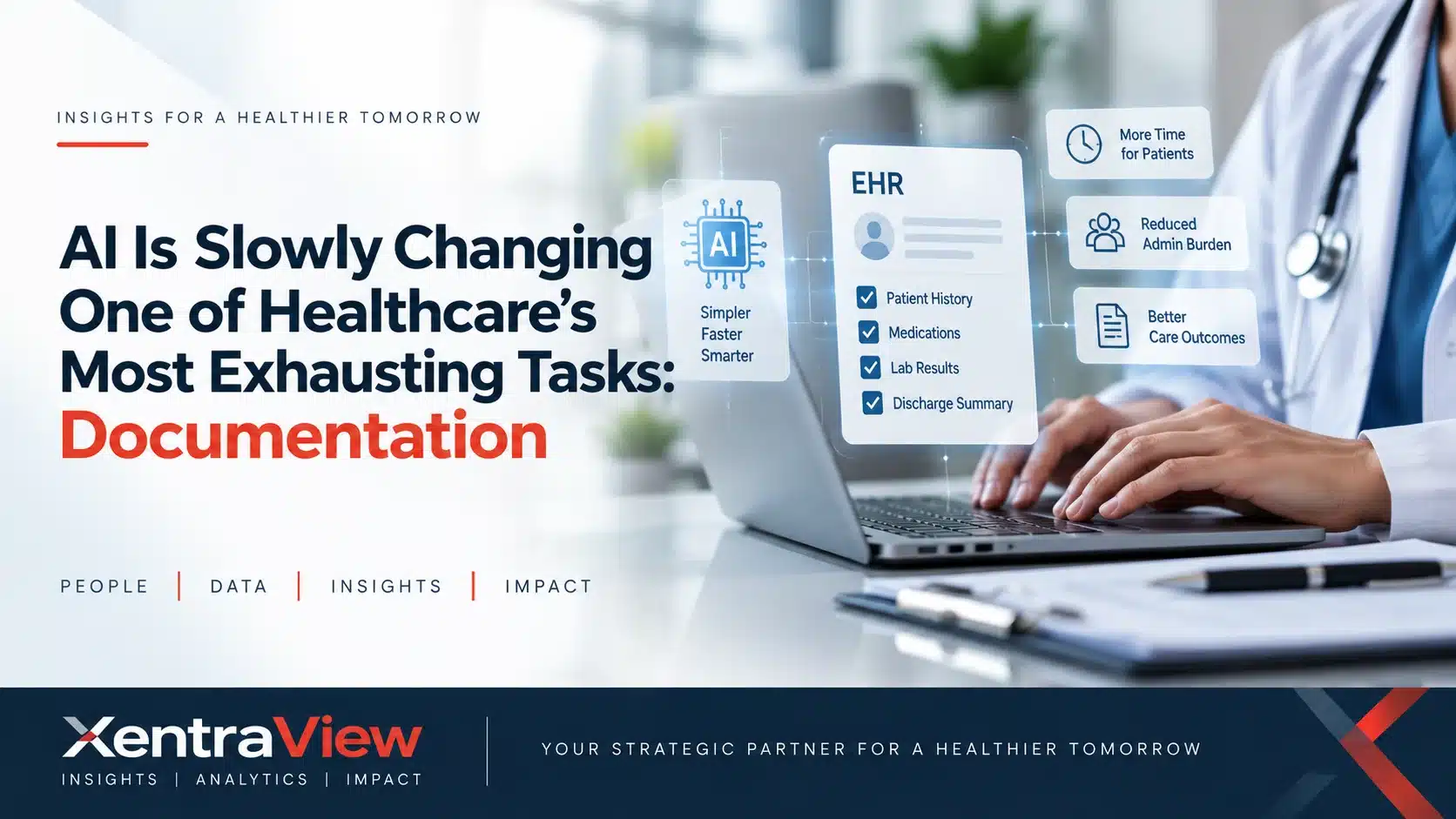
Talk to doctors long enough, and one frustration comes up again and again. It is not always the long shifts. It is not even the complexity of patient care. It is the paperwork that follows everything.
Modern healthcare runs on documentation. Every consultation, prescription, scan, discharge, referral, and follow-up creates another layer of information inside hospital systems. Electronic health records made access easier in many ways, but they also added a new reality that many clinicians still struggle with daily: too much information spread across too many screens.
A physician may spend part of the morning with patients and then spend the evening finishing notes:
That imbalance is one reason healthcare systems have started paying closer attention to artificial intelligence. The conversation is growing across hospitals, digital health companies, and healthcare advisory groups, including CMI Consulting LLC, where organizations are looking at how technology can reduce operational pressure without making healthcare feel mechanical. Most healthcare leaders are not expecting AI to replace clinical judgment.
What they want is simpler.
They want fewer hours lost to repetitive administrative work.
The Problem Is Not Lack of Data
Healthcare systems already collect enormous amounts of patient information. The challenge is sorting through it efficiently. For patients with chronic illnesses, medical histories can stretch across years of appointments, specialists, medications, lab reports, imaging studies, and hospital visits. Important details are often buried inside long records that clinicians have to review quickly during already packed schedules.
Doctors frequently describe the process as mentally draining. Not because the information lacks value, but because finding the right information at the right time can feel unnecessarily difficult. That is where AI tools are beginning to help.
What AI Documentation Tools Actually Do
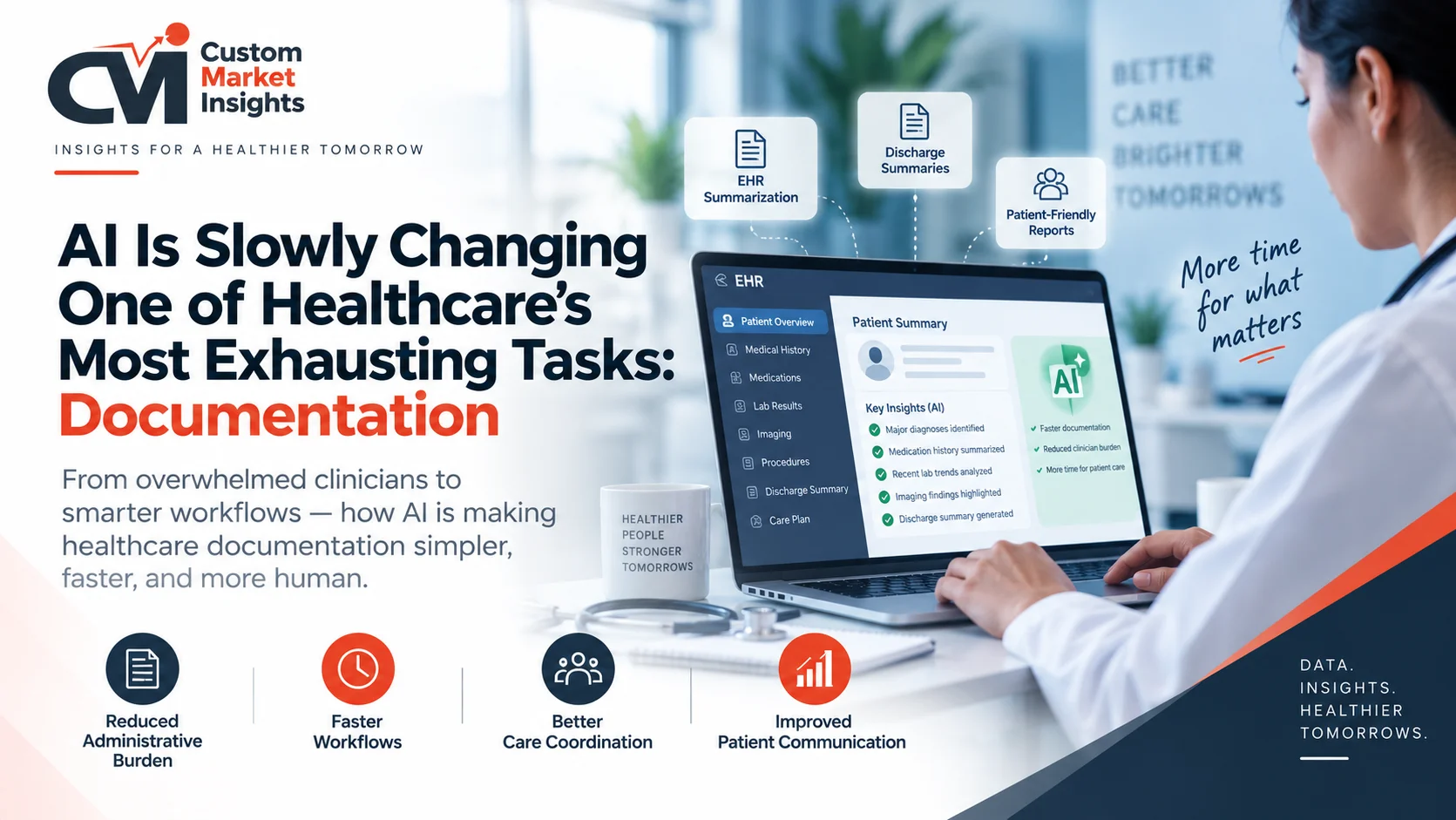
A lot of public discussion around AI sounds futuristic, but most healthcare applications today are surprisingly practical. Many systems simply help organize information faster. AI-supported documentation tools can scan large amounts of clinical information and generate condensed summaries that highlight diagnoses, treatment history, medications, procedures, and recent updates.
Instead of manually opening dozens of records, clinicians can review a shorter overview before diving deeper if needed. For busy healthcare teams, even saving a few minutes repeatedly throughout the day matters more than people outside healthcare sometimes realize.
Why EHR Summarization Matters
Electronic health record summarization has become one of the most talked-about uses of AI in healthcare operations. Patients rarely receive care from only one provider anymore. Information comes from multiple departments, clinics, specialists, and facilities. That creates fragmentation.
AI systems attempt to bring those pieces together into a more readable timeline.
Rather than scrolling endlessly through disconnected notes, providers can review organized summaries that show:
- Major diagnoses
- Medication history
- Procedures performed
- Lab trends
- Imaging findings
- Hospital admissions
- Treatment progression
Some systems can even narrow information around specific conditions like cardiovascular disease, diabetes, or respiratory disorders. That focused view helps clinicians prepare faster before patient interactions.
Discharge Summaries Are Another Major Pressure Point
Discharge documentation sounds straightforward until you see the workload behind it. Hospitals need clear summaries explaining what happened during admission, what treatments were provided, what medications changed, and what follow-up care is required afterward.
The information matters for patients, caregivers, rehabilitation centers, and primary care providers. But writing those summaries manually takes time, especially in high-volume hospital environments.
AI-supported systems are now being used to generate structured drafts using existing patient data already stored inside the Electronic Health Record. The physician still reviews everything carefully, but some of the repetitive work becomes faster. Healthcare teams say consistency also improves because summaries follow a more organized structure across departments.
Communication Is Becoming Part of the Conversation
One issue many hospitals continue discussing is readability. Traditional discharge summaries are usually written in highly clinical language. Patients often leave the hospital without fully understanding instructions, medication changes, or follow-up recommendations.
Some newer AI-supported systems are being designed to create clearer patient-friendly summaries alongside standard clinical documentation. That matters more than it may seem.
Misunderstood discharge instructions can affect medication adherence, recovery, and even hospital readmission rates. In other words, documentation quality affects more than administrative efficiency. It affects patient experience too.
Why Healthcare Organizations Are Interested
Healthcare systems exploring AI documentation tools are generally trying to solve several operational problems at once. They want to reduce administrative strain while improving workflow consistency and communication between teams.
The potential advantages often discussed include:
- Less time spent on repetitive documentation
- Faster discharge processing
- Better organized patient histories
- Improved coordination between departments
- Reduced clinician fatigue
- More consistent reporting structures
Healthcare consulting and advisory organizations such as CMI Consulting LLC continue seeing strong industry interest in workflow technologies that improve efficiency without disrupting clinical care delivery.
But Hospitals Are Still Being Careful
Even with growing enthusiasm, healthcare leaders are approaching AI cautiously. Most clinicians agree the technology should support medical decision-making, not replace it. Several concerns still come up regularly.
Accuracy still matters.
AI-generated summaries can occasionally miss context or interpret information incorrectly. Clinical oversight remains essential.
Privacy concerns remain serious.
Healthcare systems handle sensitive patient data, so security and compliance remain major priorities during implementation.
Workflow disruption is a real risk.
If AI tools complicate existing systems instead of simplifying them, adoption usually slows quickly.
Trust takes time.
Clinicians are more likely to use systems that feel reliable, transparent, and easy to integrate into their daily routines.
The Bigger Shift Happening Behind the Scenes
The most important change may not actually be the technology itself. It is how healthcare is starting to rethink operational efficiency. For years, clinicians adapted themselves to administrative systems. Now, healthcare organizations are beginning to ask whether technology should adapt more naturally around clinicians instead. That shift matters.
When healthcare professionals spend less energy navigating documentation, they gain more time for conversations, clinical reasoning, and patient care.
AI will not remove the complexity of healthcare. But many providers believe it can reduce some of the unnecessary friction surrounding it. And for exhausted care teams, even small improvements can make a meaningful difference over time.
Connect with our experts.