
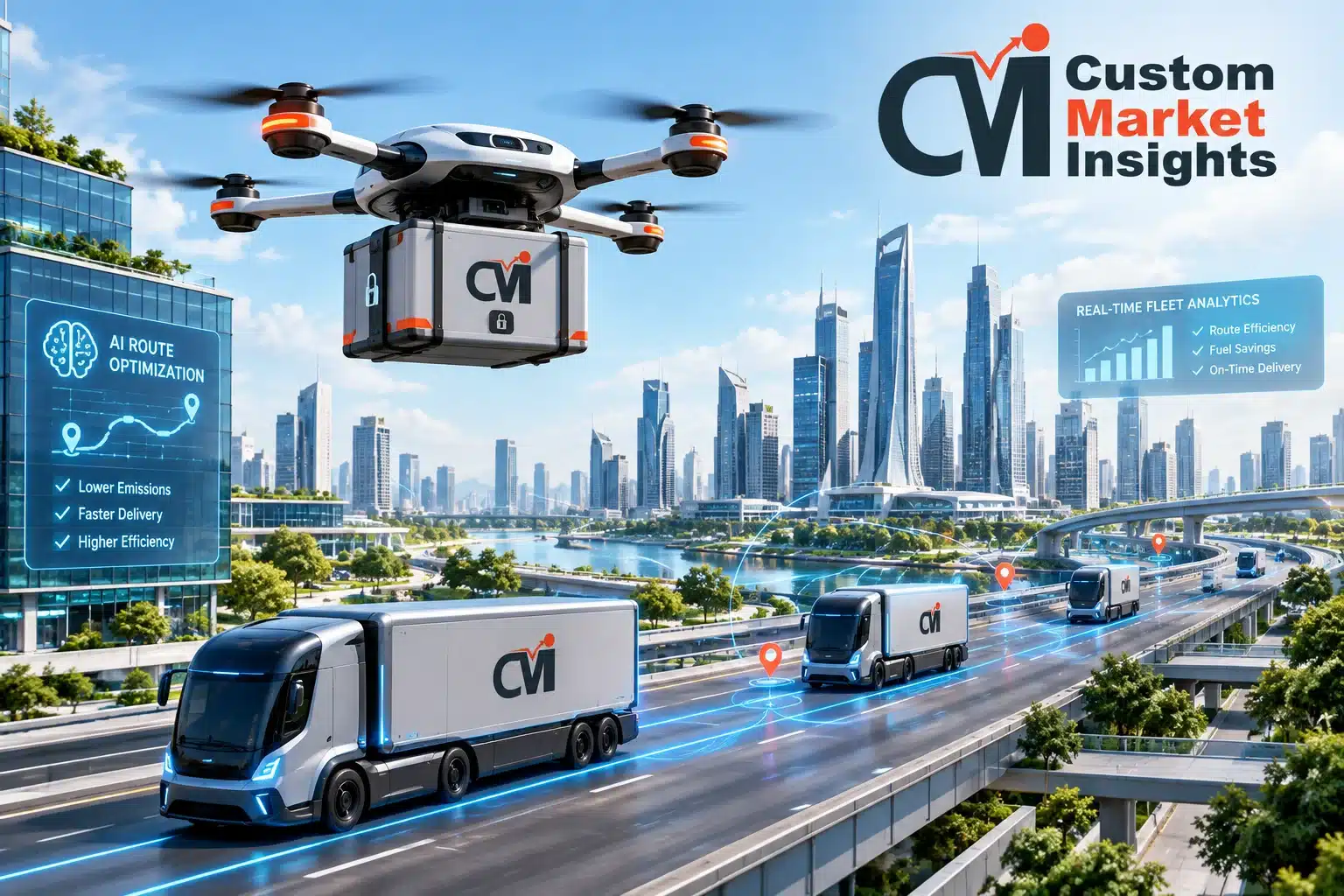
Technology moves fast, and delivery logistics has turned out to be one of the sectors moving fastest right now. E-commerce keeps expanding, customers keep expecting things faster, and somewhere in the middle of all that pressure, drones and self-driving vehicles have gone from novelty pilots to something companies are actually betting real money on. At CMI Consulting we’ve been tracking this shift closely, and it’s worth walking through what’s actually driving it, not just the headline promise of “robots deliver your packages now.”
What We’re Actually Talking About
Autonomous delivery, in plain terms, means getting a package to someone’s door using a self-driving vehicle, a drone, or a ground robot, without a person steering it the whole way. That idea’s been floating around for years, but it’s only recently started showing up in ways that feel less like a demo and more like infrastructure. AI, IoT, and better data analytics have all matured enough at the same time to make it work in real urban environments, not just controlled test zones.
Why Logistics Companies Are Actually Doing This
It’s not automation for its own sake. Companies are turning to it because demand keeps climbing and margins keep getting squeezed, so anything that improves accuracy, cuts errors, and lowers cost per delivery becomes hard to ignore. Robotics, AI-driven logistics software, and smarter supply chain tools are letting companies streamline operations in ways manual processes just can’t match at scale, and that translates directly into faster, more reliable delivery, which is what customers have started expecting as the baseline, not a bonus.
Drones Are Doing More Than People Expected
Drones have quietly become a real part of delivery operations, not just for flashy demos but for actual medicine runs, groceries, food, and household goods. They’re especially useful for last-mile delivery, where their speed, accuracy, and lower environmental footprint give them a real edge over trucks stuck in traffic.
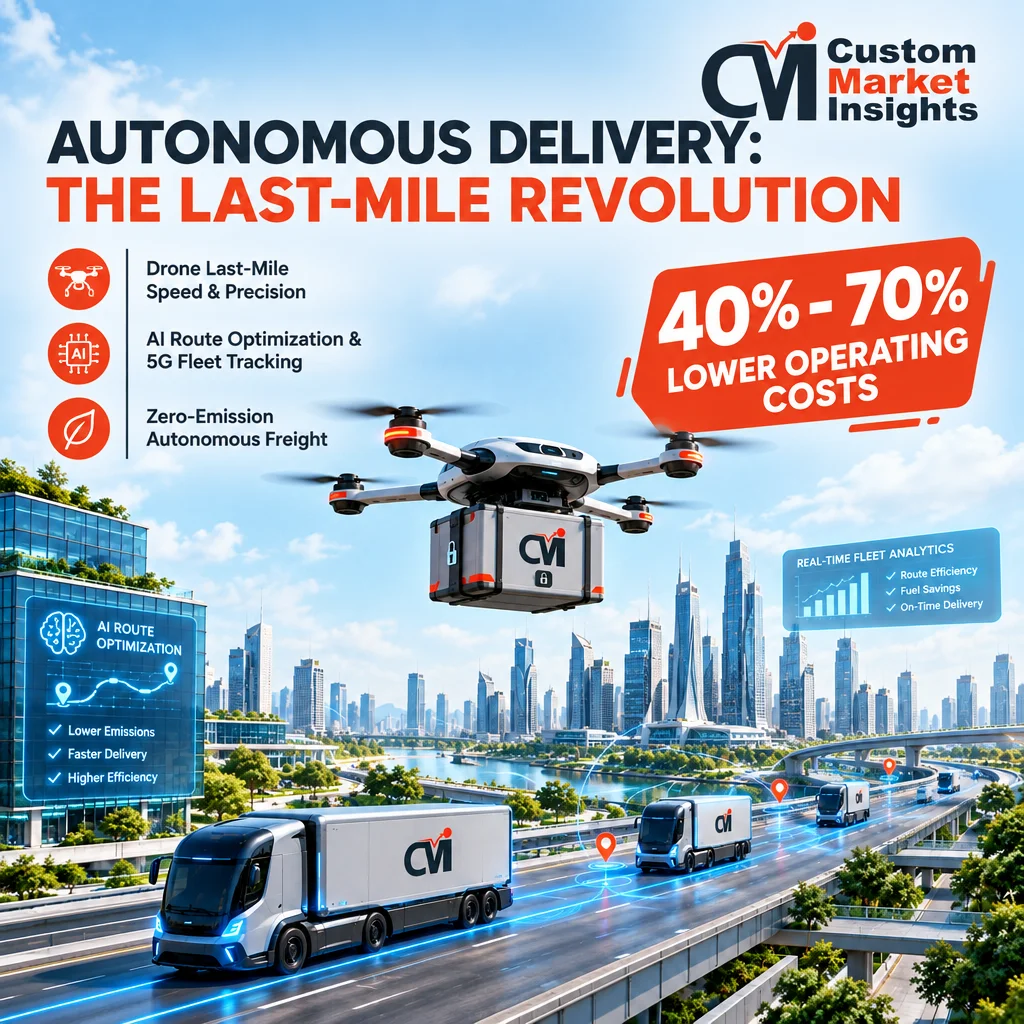
Here’s a number worth sitting with: operating costs for drone delivery services run somewhere between 40 and 70 percent lower than a traditional vehicle-based delivery model. That’s a massive gap, and it’s part of why adoption kept accelerating even after the initial COVID-era push for contactless delivery faded. Densely populated, fast-growing markets like India and China have leaned into this particularly hard, using drones to dodge traffic congestion and reach areas that trucks simply can’t get to easily.
Why This Matters So Much for Last-Mile Delivery Specifically
E-commerce growth has put real strain on last-mile delivery, the part of the journey that’s always been the most expensive and least efficient. Trucks and vans struggle with urban congestion, rising labor costs, and the environmental cost of constant short-haul trips.
Drones sidestep a lot of that entirely. They don’t sit in traffic. They cost less to run since there’s no fuel and no driver wage attached to each trip. And they produce a fraction of the emissions a delivery van does over the same distance. For companies trying to differentiate on sustainability as much as speed, that’s become a real selling point with environmentally conscious customers, not just an operational nice-to-have.
What Makes Drone Delivery Work Well in Cities
A handful of specific advantages keep coming up in urban deployments:
Speed is the obvious one. Drones fly straight to their destination without worrying about road closures or gridlock, which matters most exactly where traditional vehicles struggle hardest.
Cost efficiency follows close behind. Less maintenance, less fuel, and lower overhead per delivery compared to running a fleet of vans.
Reaching into places trucks can’t easily go is another big one, remote areas, disaster zones, anywhere road access is limited or damaged. That’s not just convenient, it can be genuinely critical when the cargo is medical supplies or emergency food. Accuracy improves too, thanks to onboard navigation and AI that keeps errors and delays close to nonexistent.
And scalability rounds it out. Expanding a drone fleet is considerably easier than scaling up a traditional delivery fleet, which matters a lot when demand spikes unpredictably.
Where Software Comes Into the Picture
Drones alone aren’t the whole story. Pairing them with the right logistics software is what actually makes the system work at scale. Real-time tracking lets companies see exactly where a drone is at any given moment, which builds transparency for the business and trust for the customer watching their delivery status update live.
AI-driven route optimization adds another layer on top of that, factoring in traffic patterns, weather, and delivery priority to plan the most efficient path, then adjusting on the fly if conditions change mid-flight. That kind of dynamic adaptability is a big part of why drone delivery systems can stay reliable even when something unexpected comes up.
Self-Driving Trucks Are Reshaping Freight Too
It’s not just drones. Autonomous freight trucks are tackling a different but related problem, the ongoing driver shortage that’s squeezed the trucking industry for years. These vehicles lean on AI, GPS, and sensor arrays to plan routes, run continuously without needing rest breaks, and cut down on the kind of human error that causes accidents and delays. Being able to operate during off-peak hours and skip urban congestion entirely gives them a real speed advantage, along with meaningfully lower fuel use.
The Real Obstacles Standing in the Way
None of this is as simple as it sounds on paper, and it’s worth being honest about the friction points.
Regulation is probably the biggest one. Autonomous vehicles have to satisfy a patchwork of rules that shift from region to region, which slows deployment considerably. And when something does go wrong, figuring out legal responsibility for an autonomous vehicle involved in an accident is still a genuinely unresolved question in most places.
Infrastructure is another real constraint. Charging stations, maintenance facilities, and dedicated lanes or zones for safe operation, none of that exists yet at the scale this technology eventually needs, and building it out is expensive.
Safety and cybersecurity concerns run deep too. Autonomous vehicles have to navigate unpredictable human behavior in real time, which is a much harder problem than driving on a closed test track. Drones bring their own version of this risk, since unauthorized or malicious drone activity in shared airspace has become a real concern, making detection and monitoring systems increasingly necessary. And because these systems lean so heavily on software and constant connectivity, they’re inherently more exposed to cyberattacks than older, simpler delivery methods.
Public trust matters just as much as the technical challenges. People need to feel comfortable with autonomous systems operating near them before adoption can really take off, and concerns about privacy, safety, and the ethics of it all can slow things down regardless of how good the technology gets. There’s also the harder conversation nobody loves having: widespread adoption threatens real jobs for delivery drivers, and that’s going to generate genuine resistance from labor groups and affected communities, not just regulatory pushback.
Where This Is All Heading
The technology underpinning all of this keeps improving on multiple fronts at once. AI and machine learning are getting better at real-time route optimization, obstacle detection, and split-second decision-making, even in genuinely complex environments. Battery technology is extending range too, which means fewer charging interruptions and longer delivery routes without needing to stop and recharge mid-trip.
5G is turning into a quiet but essential piece of this puzzle. Fast, reliable connectivity is what lets drones and autonomous vehicles talk to control systems in real time, adjusting instantly to traffic, weather, or unexpected obstacles. In dense urban environments especially, where conditions can shift block to block, that kind of responsiveness isn’t optional, it’s what makes the whole system trustworthy enough to actually deploy at scale.
Our Take at CMI Consulting
What stands out most to our team is how fast the constraints here are shifting from “is the technology ready” to “is the regulatory and infrastructure environment ready.” The core tech, AI routing, battery life, and 5G connectivity are maturing quickly. The bottleneck increasingly sits with policy, city planning, and public trust, which tend to move a lot slower than engineering does. For companies weighing when and how to invest in autonomous delivery, that gap between technical readiness and regulatory readiness is probably the single most important thing to plan around over the next few years.
Connect with our experts.